Best Roofing for Energy Efficiency: A Professional Guide to Envelope Design
Best roofing for energy efficiency the building envelope, and specifically the roof, serves as the primary thermal regulator for any structure. It is the first point of contact for solar radiation and the final point of resistance for heat transfer between the interior conditioned environment and the fluctuating exterior climate. When designers and property owners discuss energy-efficient architecture, the conversation frequently gravitates toward insulation or window glazing. However, the roof assembly—the interplay of reflective surfaces, thermal mass, and ventilation dynamics—often determines the baseline energy demand of the entire building.
Modern high-performance design recognizes that a roof is not merely a protective membrane but an active participant in environmental mediation. Achieving energy efficiency is not a matter of selecting a singular “green” material; it requires a sophisticated integration of surface properties, structural air sealing, and sophisticated thermal layering. Without this integrated approach, even the most expensive roofing material will fail to deliver the expected thermal benefits, often leading to unintended consequences such as moisture entrapment or excessive structural cooling loads.
This article provides an analytical, deep-dive examination into the technical parameters of energy-efficient roofing. It addresses the realities of building science, the limitations of current market-available materials, and the procedural rigor required to design an assembly that maximizes long-term operational savings. By moving past the promotional discourse surrounding “cool roofs,” this analysis establishes a framework for understanding how to truly optimize the building crown.
Understanding “best roofing for energy efficiency”
The search for the “best roofing for energy efficiency” is often fraught with misconceptions, the most pervasive being that a light-colored surface is a universal solution. While high solar reflectance is a critical component of energy management in hot, arid climates, it is not a “magic bullet” that works in every geographic location or building type. In fact, in heating-dominated climates with prolonged, overcast winters, an excessively reflective roof can actually increase the heating demand by preventing the structure from benefiting from passive solar heat gain.
Oversimplification in this field often leads to “energy-efficient” designs that overlook the complexities of moisture management. For instance, increasing the insulation value (R-value) of a roof without addressing the air-sealing of the ceiling plane or the management of interstitial condensation will almost certainly result in long-term structural decay. The best systems are those that treat the roof as a holistic assembly, balancing radiative properties (reflectivity and emissivity), conductive resistance (insulation), and convective management (ventilation). It is a diagnostic exercise in local climate science, not a simple shopping list of materials.
Deep Contextual Background
Best roofing for energy efficiency historically, roofing technology relied on high-mass materials like slate, clay, and thick wood, which offered moderate thermal lag—the ability to delay heat transfer from day to night. As industrialization prioritized speed and low cost, the industry pivoted toward low-mass, high-conductivity materials. This shift, while economically efficient for the era, necessitated a dramatic increase in mechanical climate control.
The contemporary era is defined by a shift toward the “intelligent envelope.” Building codes now mandate strict adherence to R-value minimums, and there is a renewed interest in passive design principles. The integration of high-performance rigid polyisocyanurate insulation, coupled with spectral-selective coatings that reflect infrared radiation while remaining aesthetically versatile, represents the modern state-of-the-art. The challenge remains the aging of these materials; the industry is now wrestling with the degradation of reflectivity due to weathering, pollution, and biological growth, necessitating more advanced material science.
Conceptual Frameworks and Mental Models Best Roofing For Energy Efficiency
To manage energy efficiency effectively, designers utilize these conceptual frameworks:
-
The Radiative-Conductive-Convective Triad: An efficient roof must manage energy in three ways: (1) Reflecting/emitting radiant heat, (2) Resisting heat conduction through thickness, and (3) Preventing convective heat loss through air leakage. Failure in any one of these pillars compromises the entire assembly.
-
The Thermal Lag Model: This refers to the time delay between peak exterior temperatures and peak interior temperatures. In energy-efficient design, the goal is often to maximize this lag so that the building structure itself can store energy and mitigate peak HVAC demand.
-
The Hygrothermal Envelope: This model emphasizes the interaction of heat and moisture. Energy efficiency is a fragile equilibrium; by changing the temperature profile of a roof (e.g., by adding insulation), you inevitably shift the location where the dew point occurs, potentially turning a dry, functional assembly into a condensation trap.
Key Categories and Comparison Logic
Assessing the trade-offs between roofing systems requires a clear understanding of their primary thermal function.
The decision logic for selecting the best roofing for energy efficiency should begin with the building’s local cooling-degree-day (CDD) and heating-degree-day (HDD) profiles. A building in a tropical climate has fundamentally different requirements than one in a high-latitude region.
Detailed Real-World Scenarios Best Roofing For Energy Efficiency
The High-Rise Cooling Demand
An urban office complex in a humid, hot climate experiences massive cooling costs. Constraint: The building has limited roof surface area. Path: Implementation of a high-emissivity “cool” roof membrane combined with a high-R value cover board. Second-Order Effect: Significant reduction in peak air conditioning demand, though the roof requires annual cleaning to maintain its reflective performance.
The Residential Passive Solar
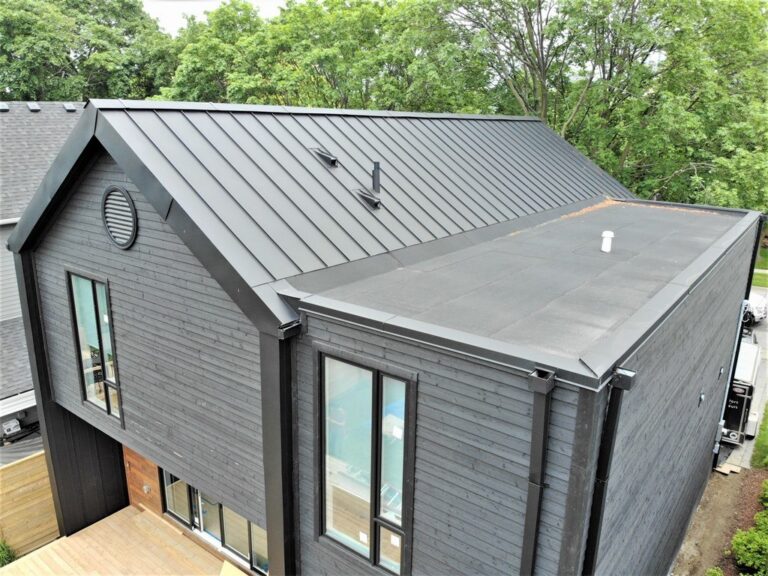
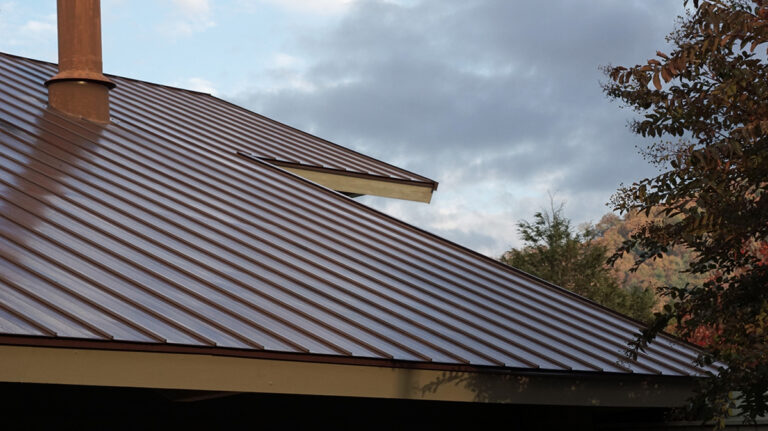
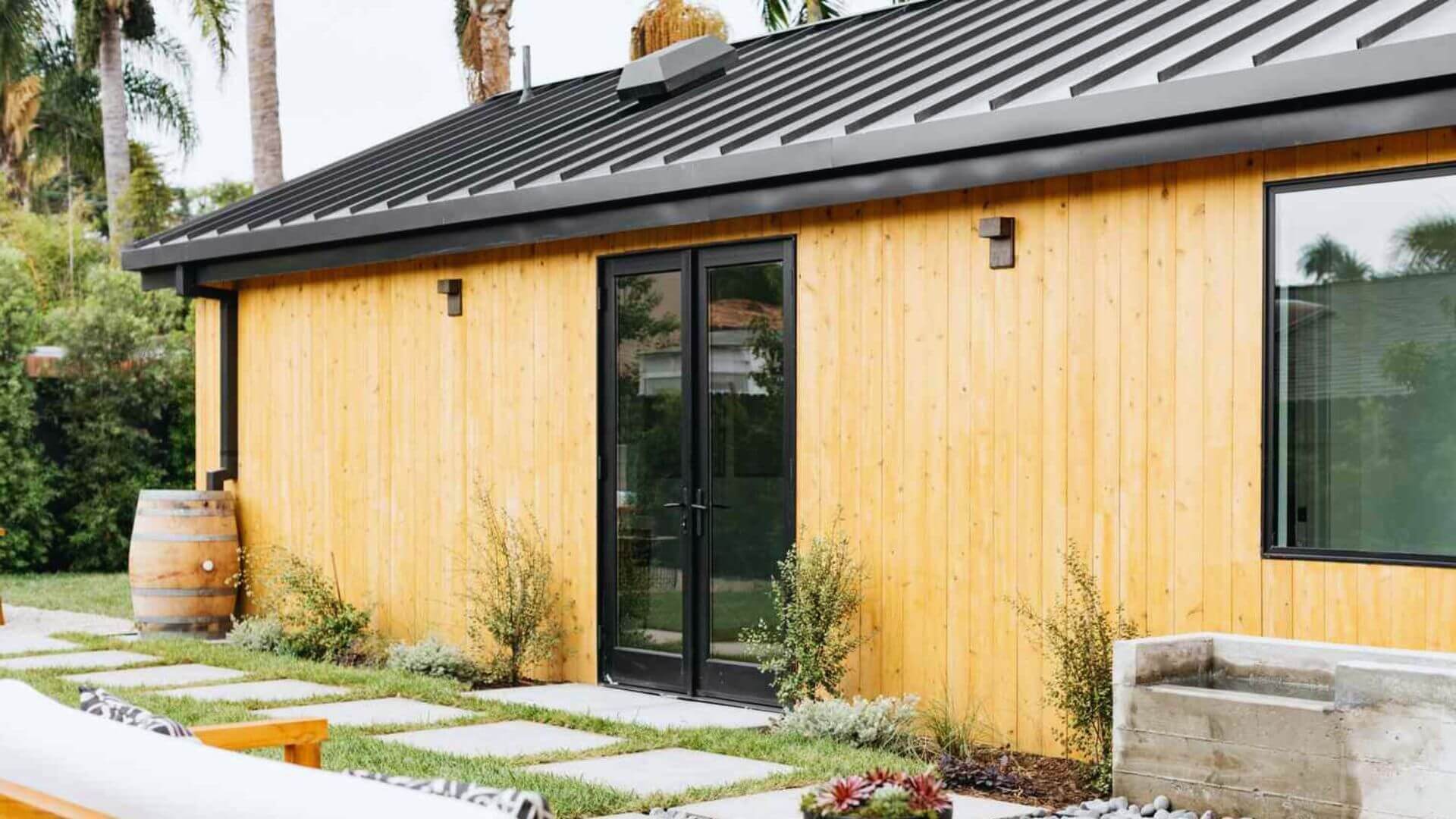
A mountain residence in a climate with cold, sunny winters. Complexity: Reflective materials would hinder solar gain. Path: Selection of a dark-colored metal roof to facilitate heat absorption during winter, supported by aggressive ceiling-plane air sealing and vapor-permeable insulation. Failure Mode: Adding a “cool roof” here would paradoxically increase the home’s energy usage.
Planning, Cost, and Resource Dynamics
The investment in energy efficiency is a capital allocation problem that extends far beyond initial construction costs.
Avoid comparing quotes solely on initial pricing. The most effective energy-efficient strategies—such as increasing insulation thickness—have high upfront costs but offer lower operational costs over a 30-year horizon.
Risk Landscape and Failure Modes Best Roofing For Energy Efficiency
The failure modes for energy-efficient roofs are often “invisible.“
-
Interstitial Condensation: Over-insulating the roof deck without addressing the air-sealing of the ceiling results in warm, moist interior air leaking into the roof assembly, where it meets cold surfaces and condenses, leading to hidden wood rot.
-
Reflectivity Decay: Materials marketed as “reflective” lose effectiveness as they collect airborne pollutants and biological matter.
-
Thermal Shock: Dark-colored roofs in climates where cooling is also required can suffer from excessive thermal expansion and contraction, stressing the seams and fasteners.
Governance and Long-Term Adaptation
A successful system requires ongoing stewardship.
-
Baseline Energy Auditing: Record building performance before and after the roofing intervention to verify actual energy savings.
-
Cleaning Cycles: For reflective membranes, institute a regular maintenance schedule to remove debris and pollutants that dull the surface.
-
Adjustment Triggers: If HVAC systems require replacement, re-evaluate the insulation levels in the roof to determine if an upgrade is economically favorable given the new, higher-efficiency mechanical equipment.
Conclusion Best Roofing For Energy Efficiency
The best roofing for energy efficiency is ultimately a product of context-specific engineering rather than off-the-shelf product selection. True efficiency is realized when the building crown is treated as an integrated, dynamic envelope component capable of modulating heat transfer in accordance with local climate cycles. By prioritizing structural continuity, vapor permeability, and radiative balance, building stewards can create a resilient system that reduces operational energy demand for the lifetime of the structure. The pursuit of efficiency requires patience, intellectual rigor, and an unwavering commitment to the fundamentals of building science—principles that far outlast any transient trend in architectural design.